

Online Safety
What are the issues?
The internet – on the whole is an inspiring and positive place.
The internet is an amazing resource which enables children and young people to connect, communicate and be creative in a number of different ways, on a range of devices.
However, the internet is always changing, and being able to keep up to date with your children’s use of technology can be a challenge.
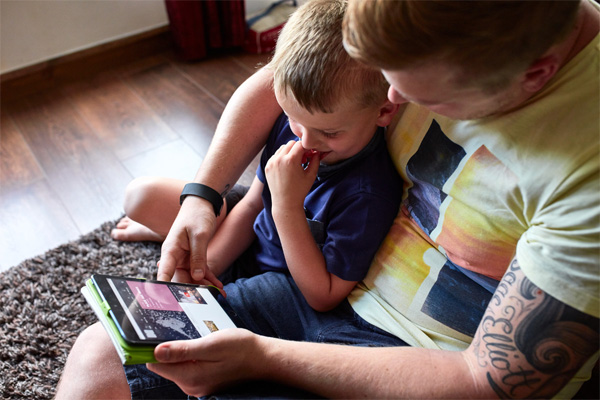
You may sometimes feel that your children have better technical skills than you do, however children and young people still need advice and protection when it comes to managing their lives online.
Issues that your child may encounter on the internet will vary depending on their age and online activities.
Resources for parents:
Online Safety Newsletters
Organisations and websites offering further information and support for online safety:
Play Like Share –
Play Like Share follows the adventures of Sam, Ellie and Alfie as they form a band and enter their school’s Battle of the Bands contest, taking on the mean but ‘cool’ Popcorn Wizards as they go. The three friends learn that while the internet can help, they need to use it wisely and safely.
The aim of the films is to help 8-10 year olds learn how to stay safe online. In particular, the films teach them to spot the early signs of manipulative, pressurising and threatening behaviour by people they might meet online, and develops their confidence to respond safely and get help.

Be Share Aware –
Keep your child safe online
We tell our children it’s good to share – but online it’s different. In fact sometimes sharing online can be dangerous. Being Share Aware will help keep your child safe online.
Watch and share a short film and take a look at some straightforward advice that will untangle the web, and give parents confidence in talking to their children about how to stay safe online.